Chess Blog
Master the game with expert insights, strategic analysis, and coaching tips from world-class chess professionals. Elevate your play one move at a time.
Featured Articles
Finding the right chess coach can be the turning point in your chess journey. Whether you're a beginner trying to understand basic tactics or an intermediate player aiming to break through a rating plateau, the right coach makes all the difference.
Hiring a coach is the single best investment for your chess, but only if you know how to use it. A coach is not a magician who waves a wand and grants you 200 rating points. They are a resource.
Starting chess lessons with a coach can feel intimidating. What will you talk about? How much preparation do you need? Will they judge your playing ability? Understanding what typically happens in a first chess lesson can ease these concerns and help you get maximum value from your coaching experience.
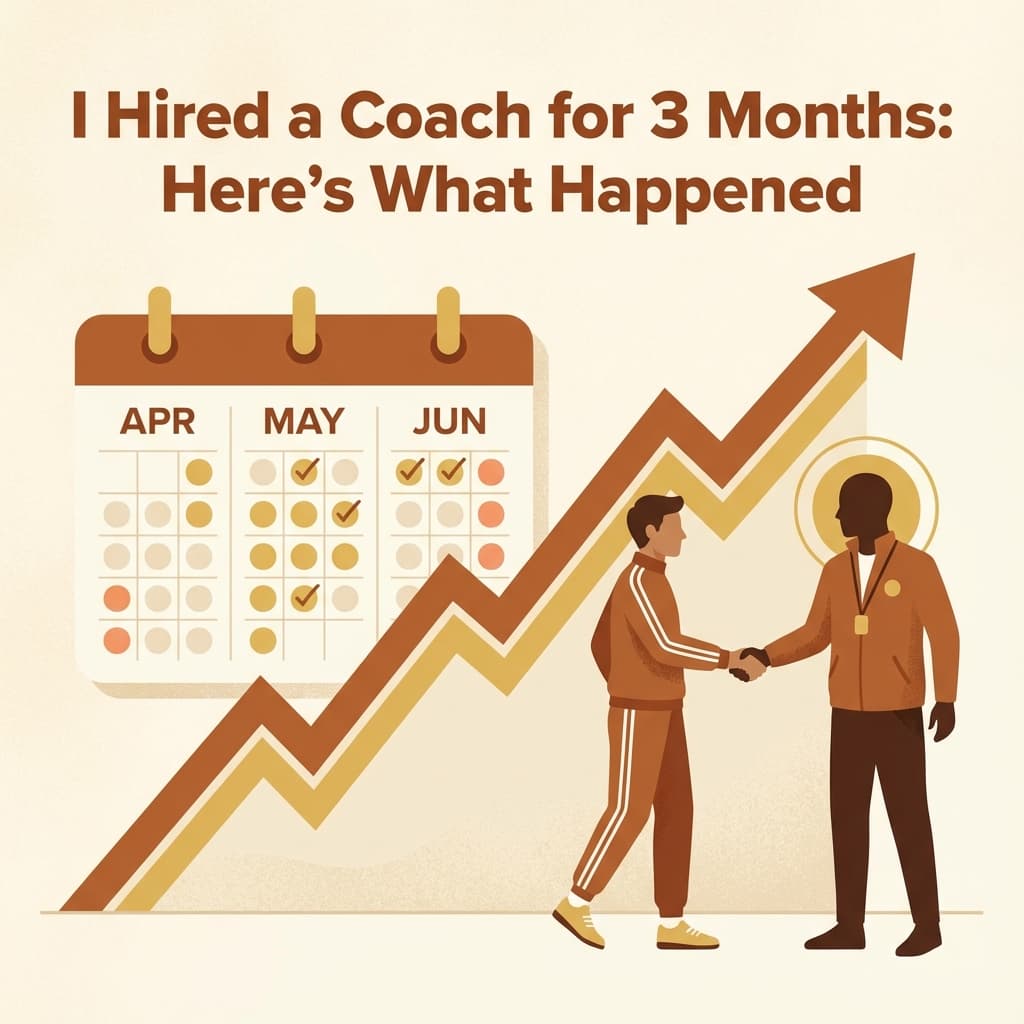
"I Hired a Coach for 3 Months: Here's What Happened" I was stuck at 1400 for two years. I watched videos, solved puzzles, and played blitz, but nothi...
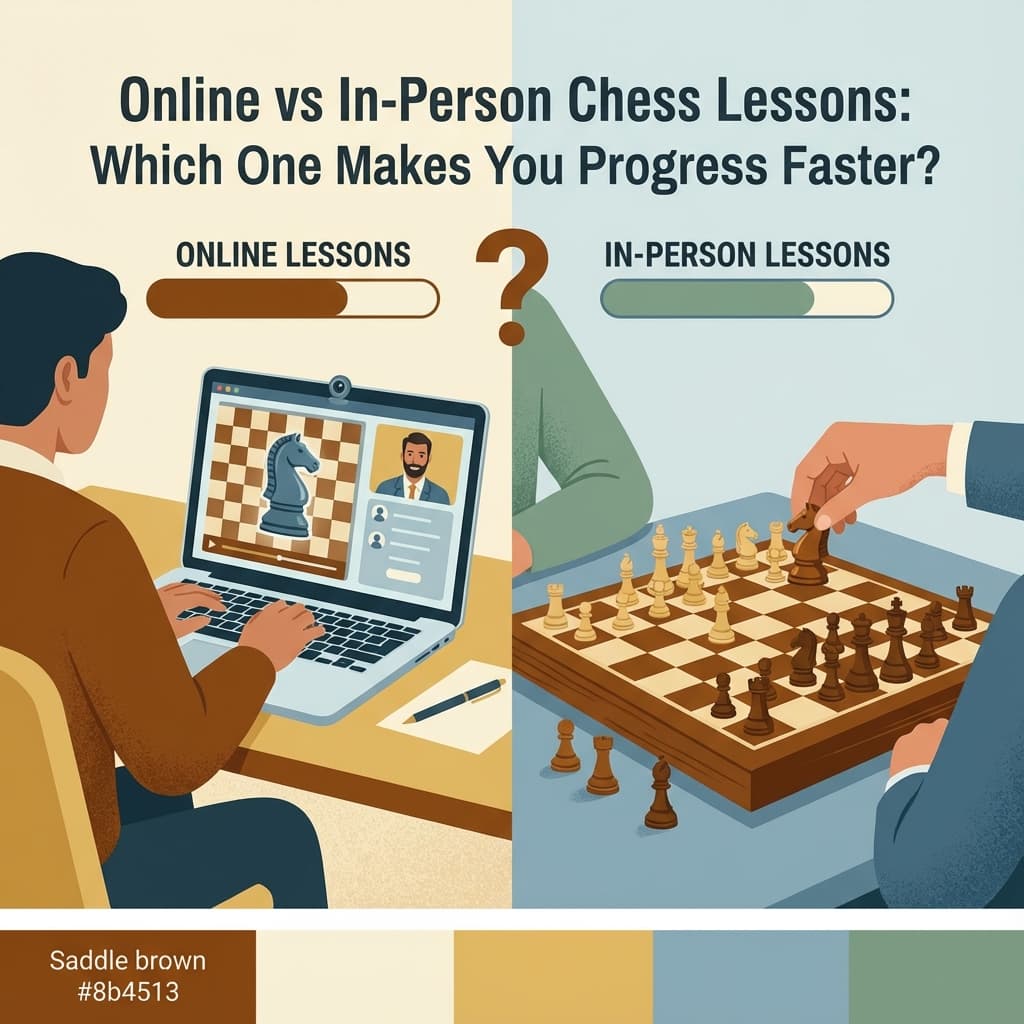
The rise of digital platforms has transformed chess coaching. Where once you were limited to coaches in your local area, you now have access to instructors from around the world. But does this convenience come at a cost? Can online lessons truly match the effectiveness of traditional face-to-face coaching?
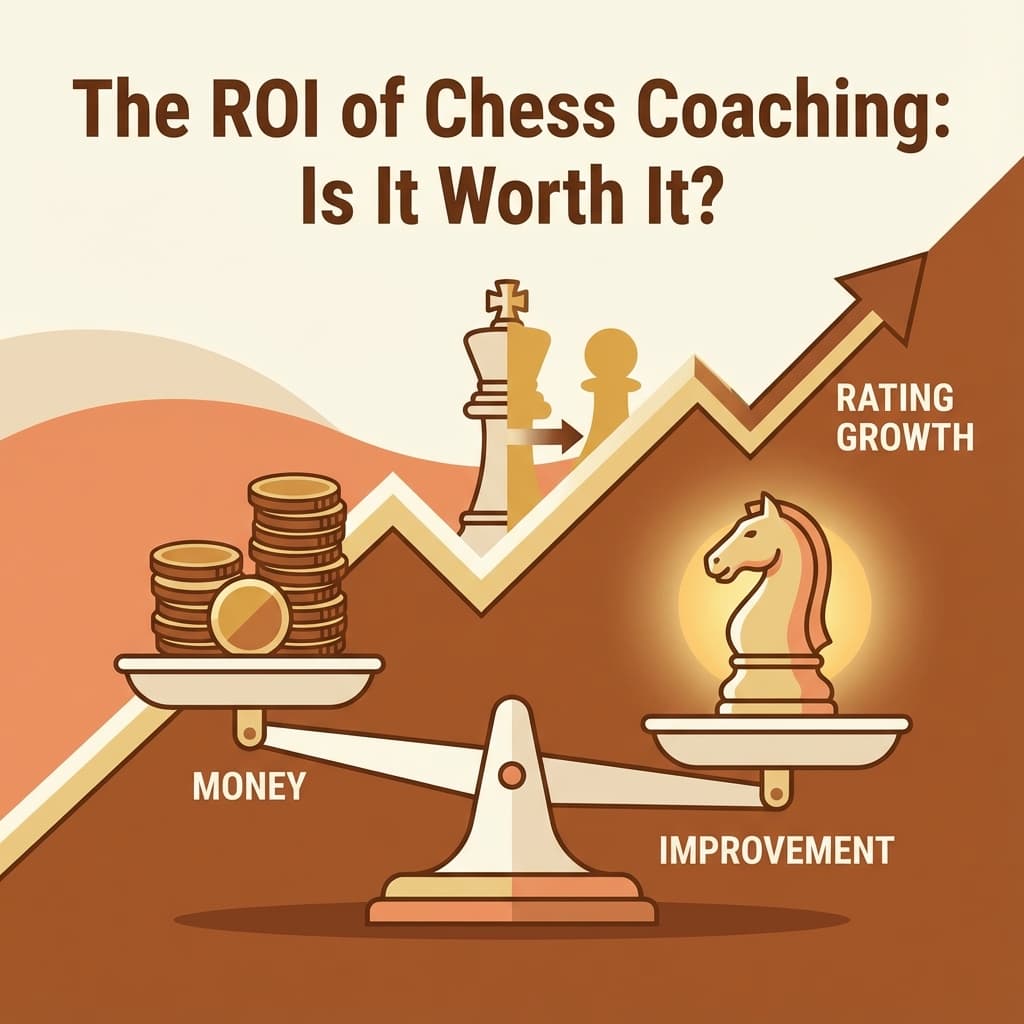
Chess coaching isn't cheap. Rates range from $25 to $100+ per hour. For a hobby, that can feel like a steep price tag. Is it really worth it? Or are you better off buying a $30 book and studying on your own?
"Can't I just improve on my own? With all the free resources available: YouTube, books, online tactics trainers do I really need to pay for a coach?"
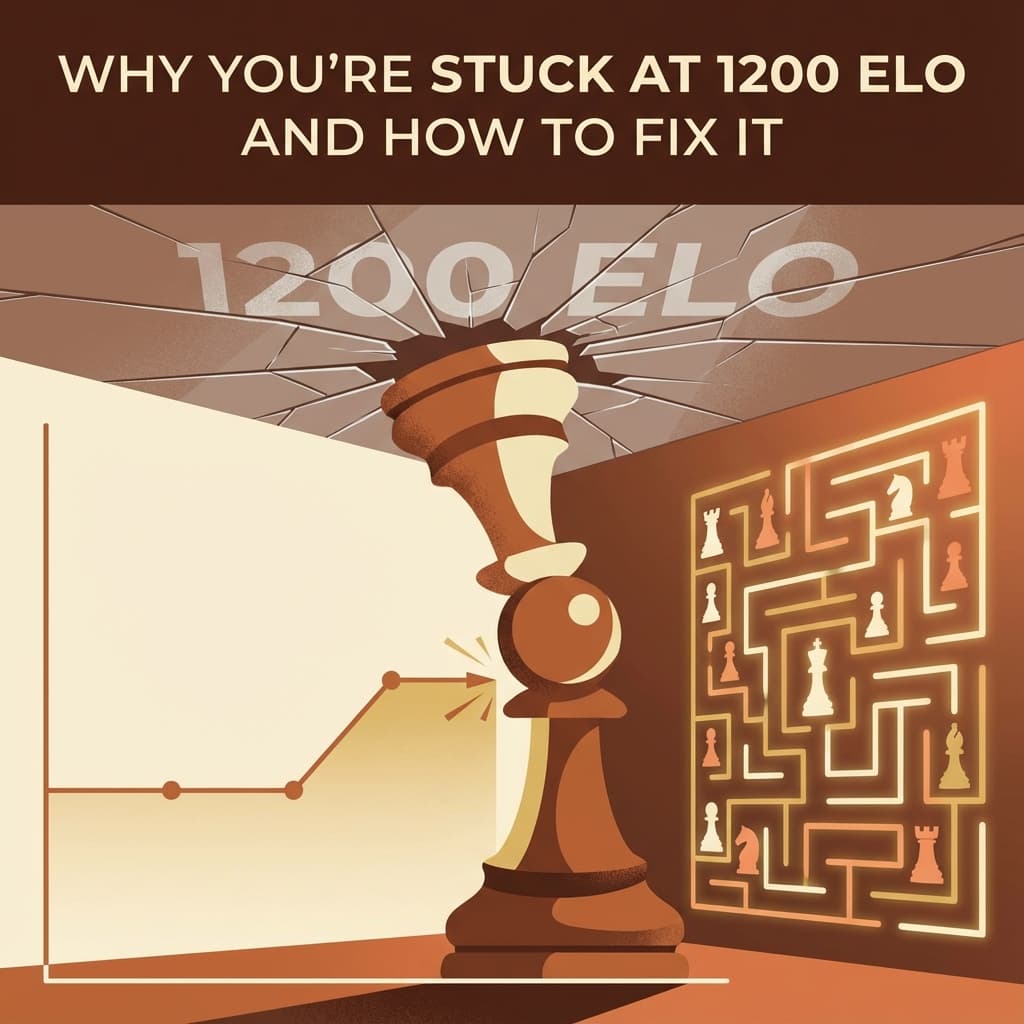
You've been hovering around 1200 for months. Maybe you touch 1250, fall back to 1180, climb to 1230, and repeat. The rating graph looks like a heartbeat monitor, but the trend line is frustratingly flat.
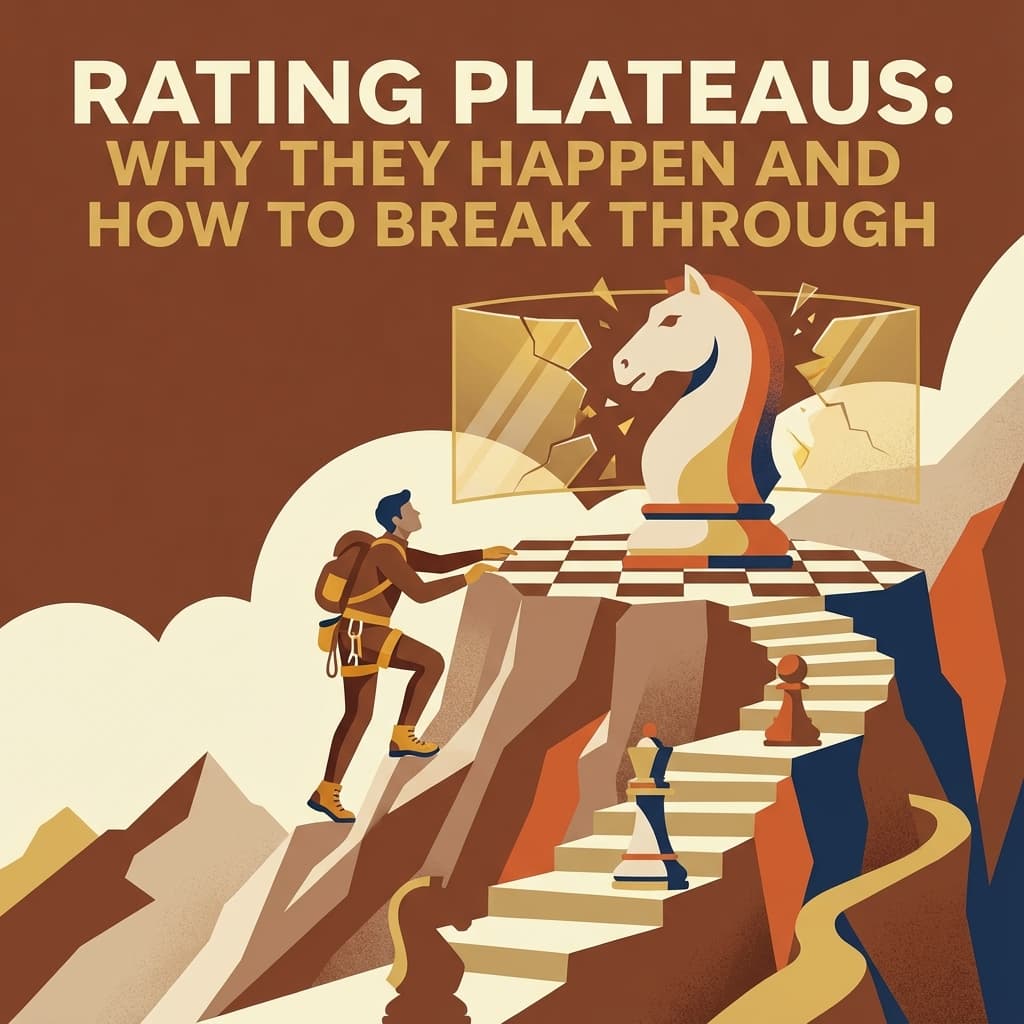
Six months ago, you reached 1400. Today, you’re still 1400, give or take 30 points. You study, you play, you analyze, yet your rating graph barely moves.
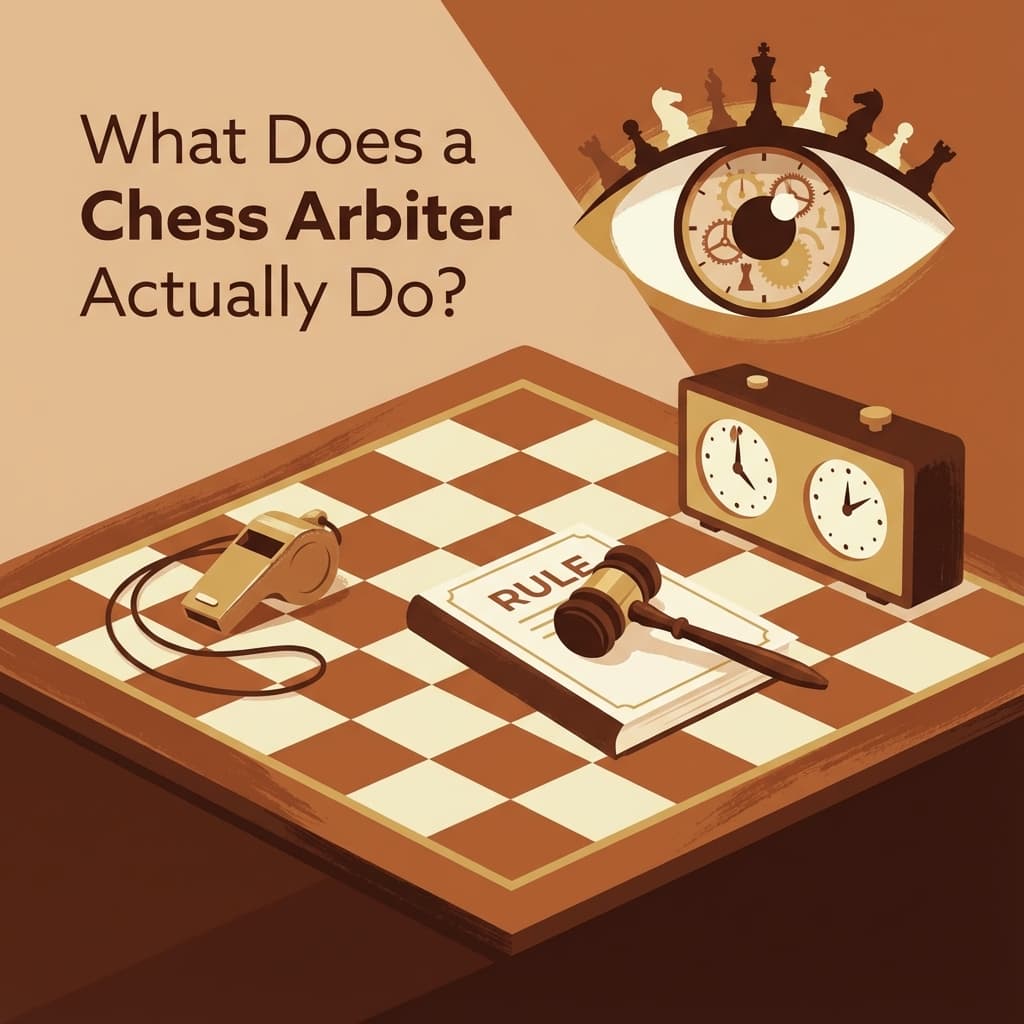
Arbiter Interventions: Knowing Your Rights You are in a winning position. Your opponent makes an illegal move. You freeze. Do you stop the clock? Do ...
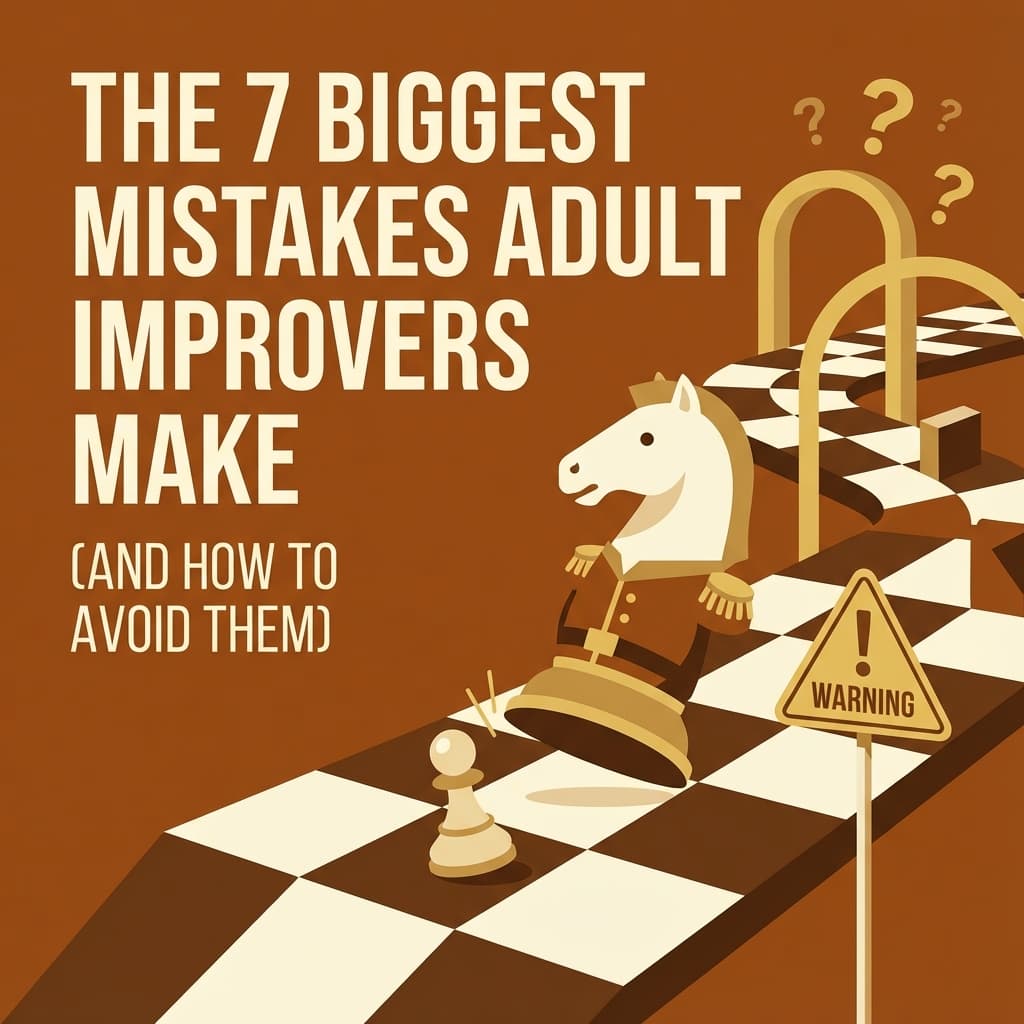
Adult chess improvers face unique challenges. Unlike juniors who learn through osmosis over years of club play, adults approach chess with limited time, established thinking patterns, and sky-high expectations.
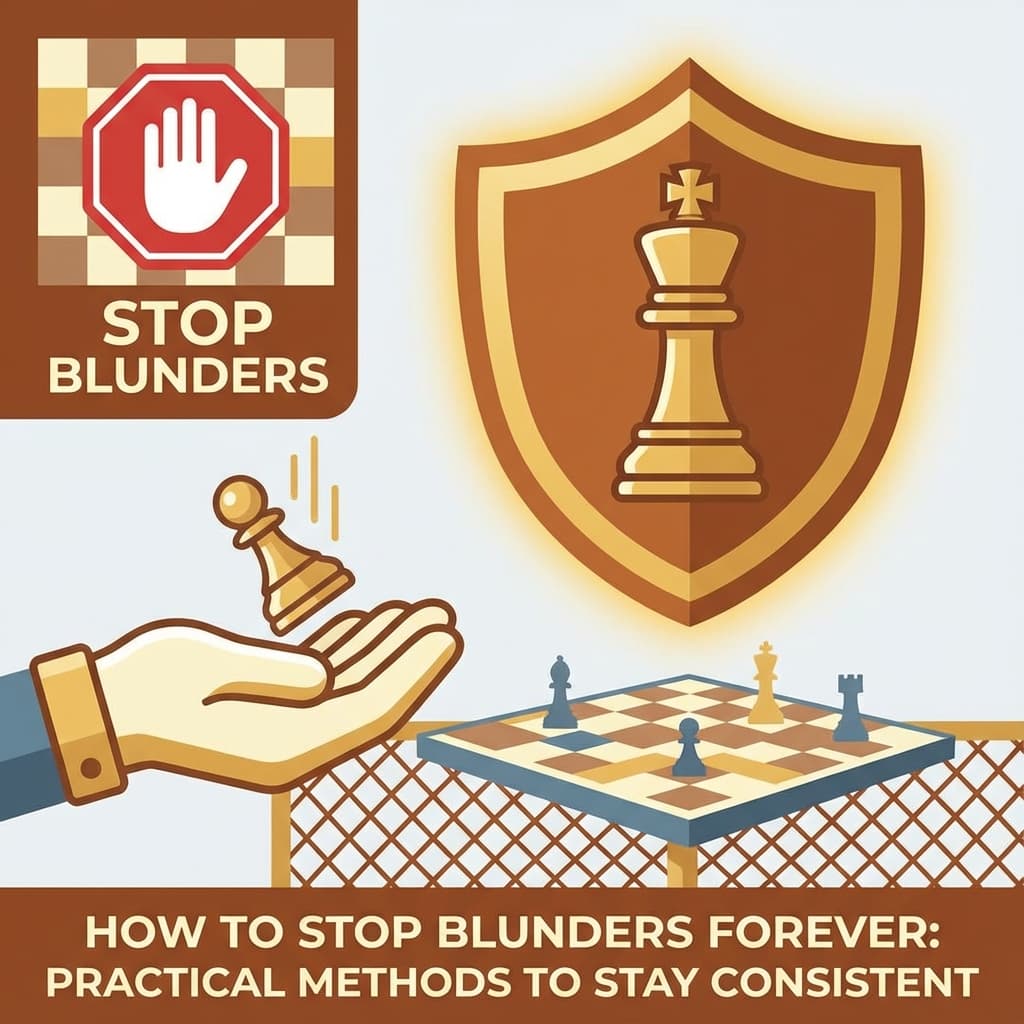
You know the feeling. You play solidly for 25 moves. Your position is better, maybe even winning. Then one careless move, your queen hangs, a back-rank mate appears, a piece walks into a pin. Game over.
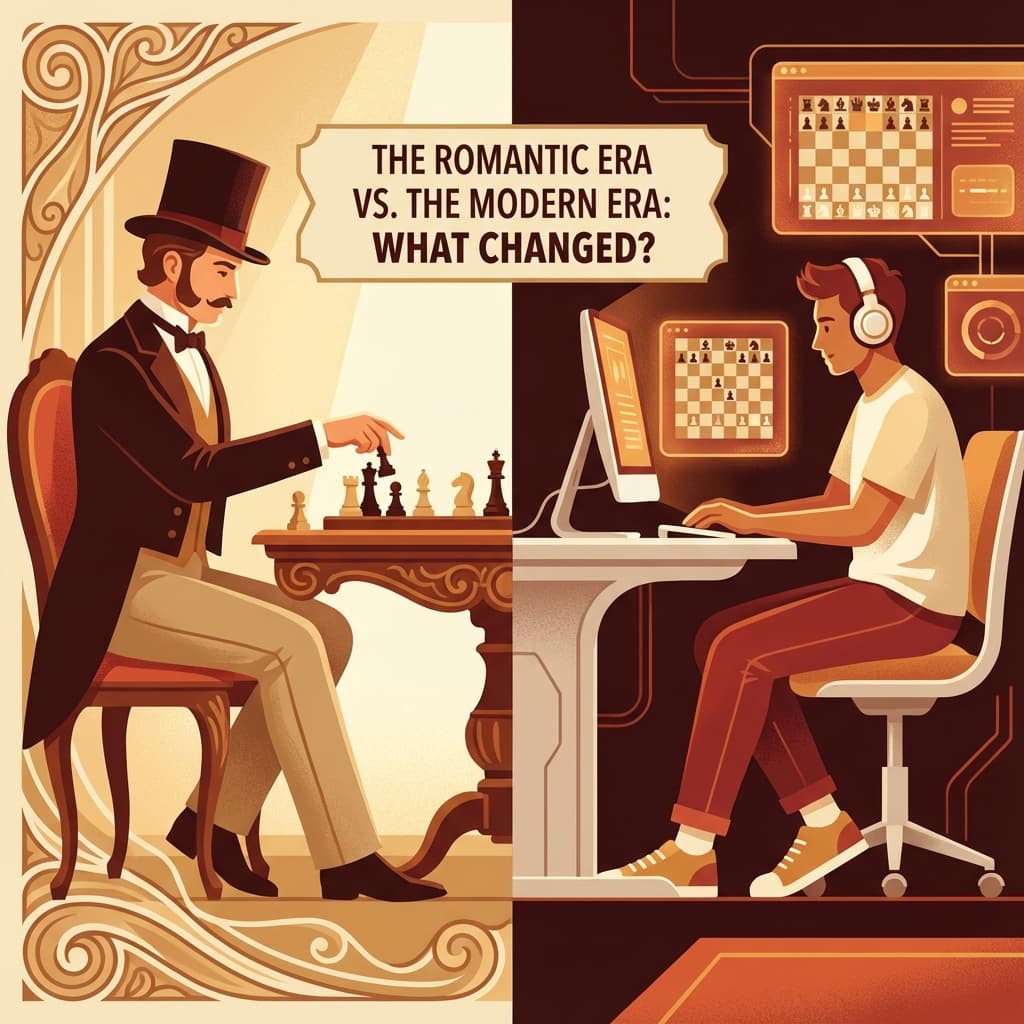
The Romantic Era vs. The Modern Era: What Changed? In the 19th century, chess was a game of gentlemen, gambits, and glorious sacrifices. Defense was ...
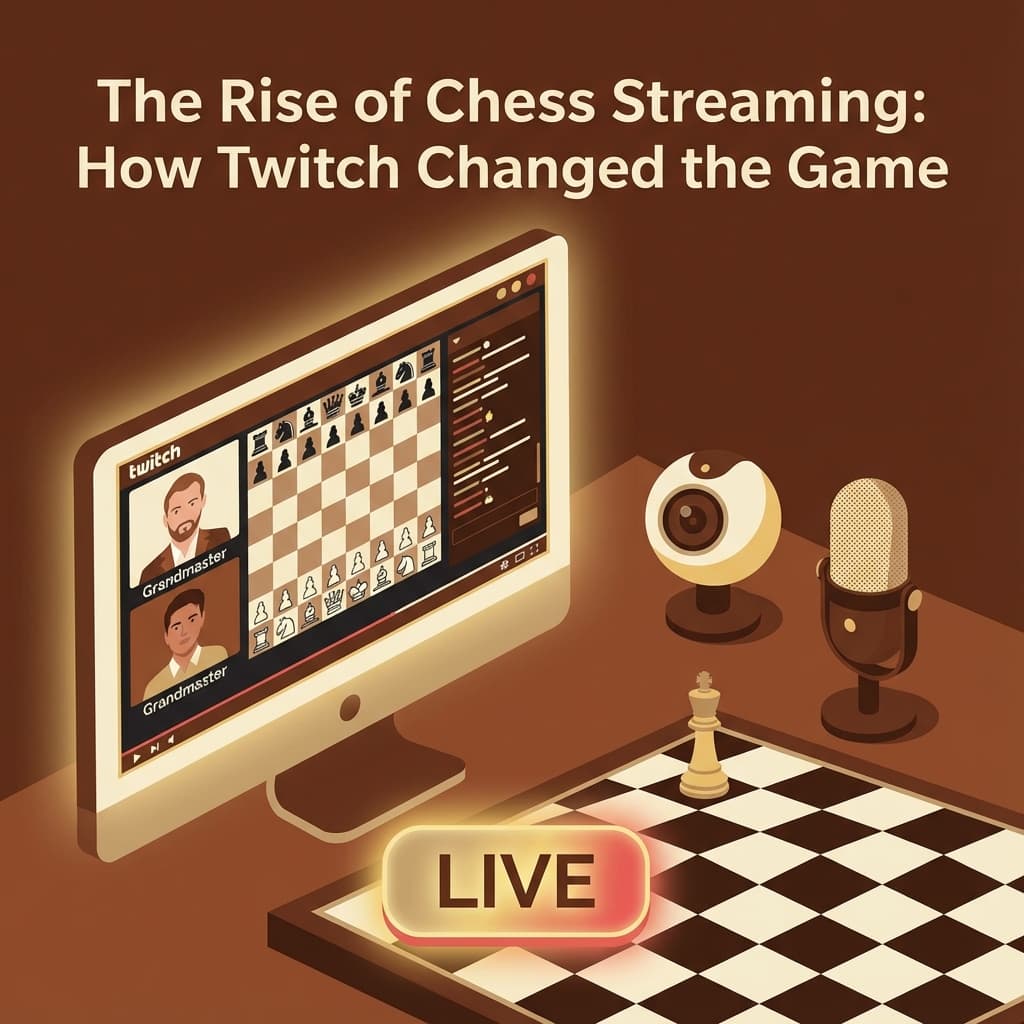
The Rise of Chess Streaming: How Twitch Changed the Game Ten years ago, watching chess meant staring at a 2D board on a silent website, waiting 20 mi...
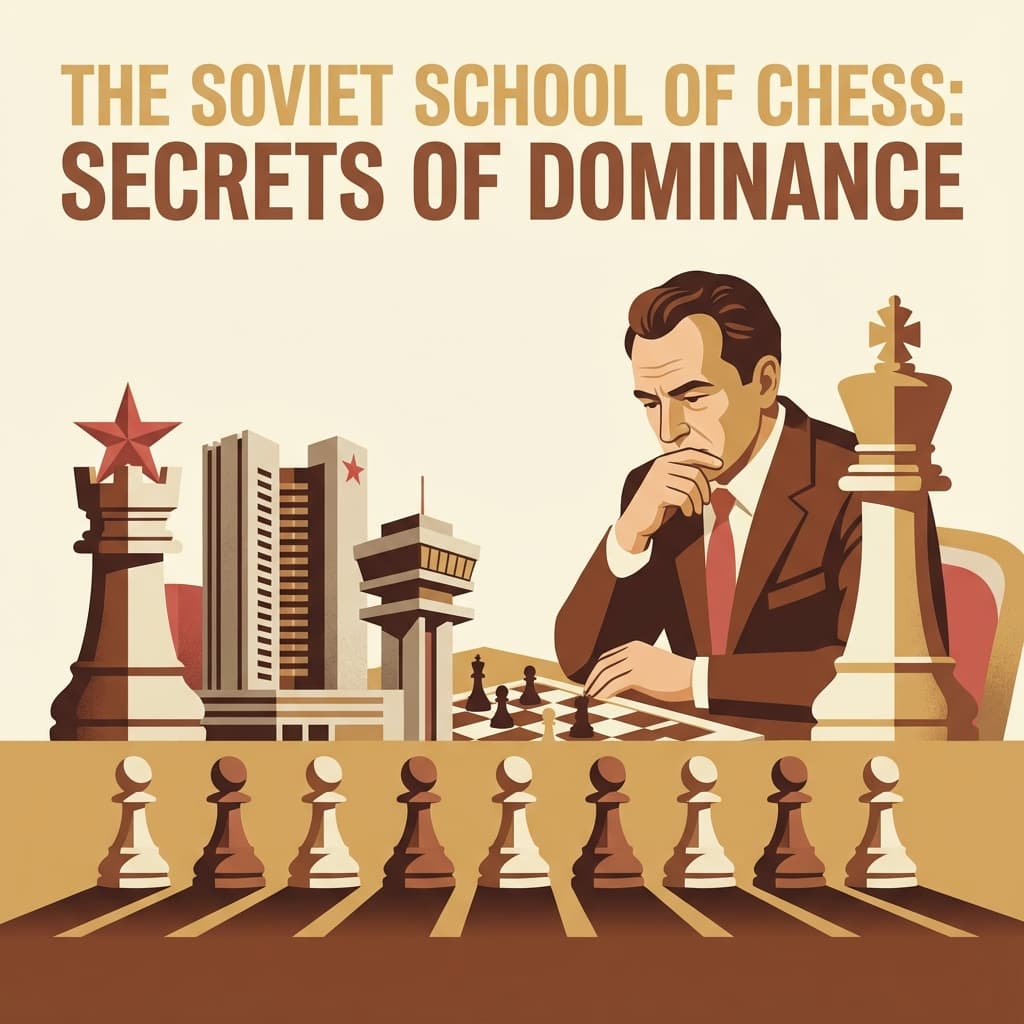
For over 50 years, the Soviet Union dominated the chess world. From 1948 to 1991, they held the World Championship title almost uninterrupted. This wasn't an accident. It was the result of a state-sponsored system that treated chess not as a game, but as a science, a sport, and an art form.
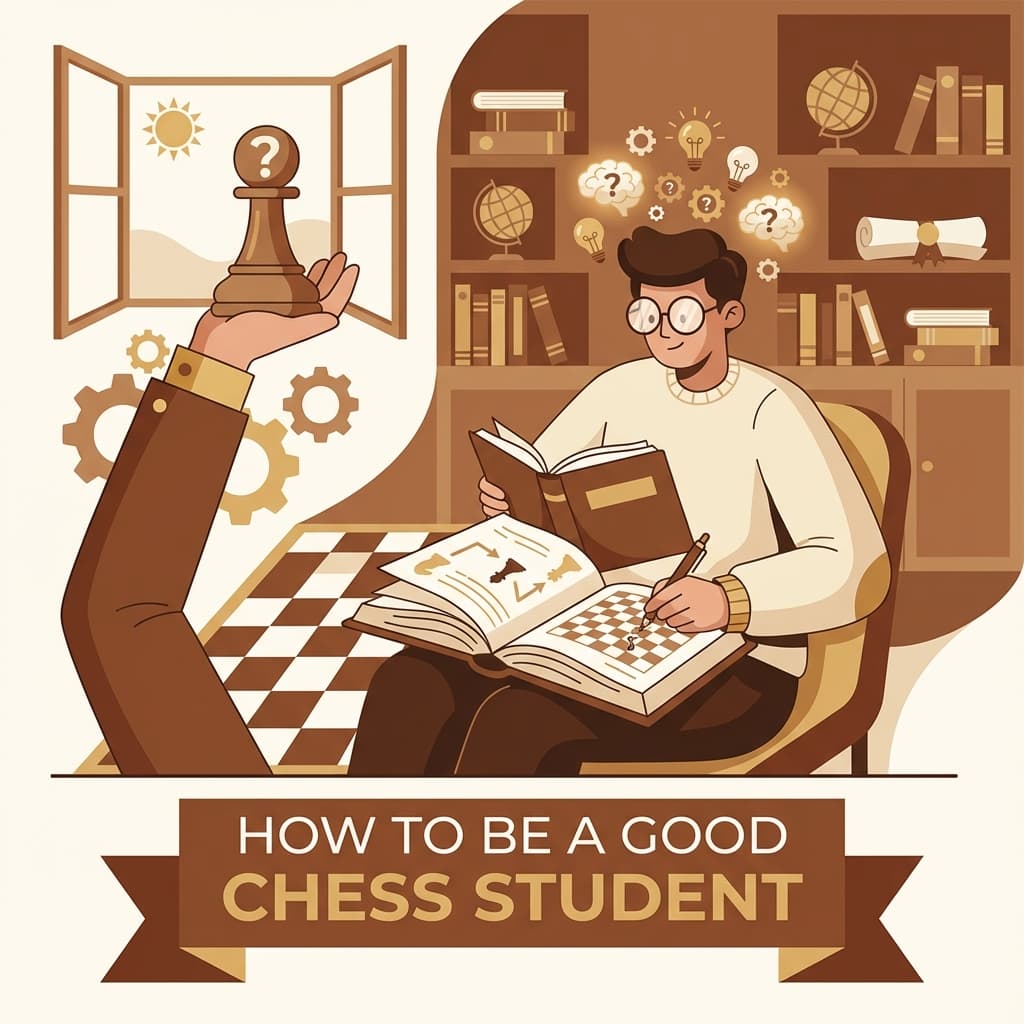
How to Be a "Good Student": Getting the Most from Your Coach You pay your coach for their time, but are you paying attention? Many students treat coa...
The "Woodpecker Method" Explained: Does It Work? You solve puzzles every day, but you still miss simple tactics in your games. Why? Because you are s...
How to Transition from Online Chess to OTB Tournaments You're rated 1500 on Chess.com. You crush tactics, know your openings, and feel ready for your...
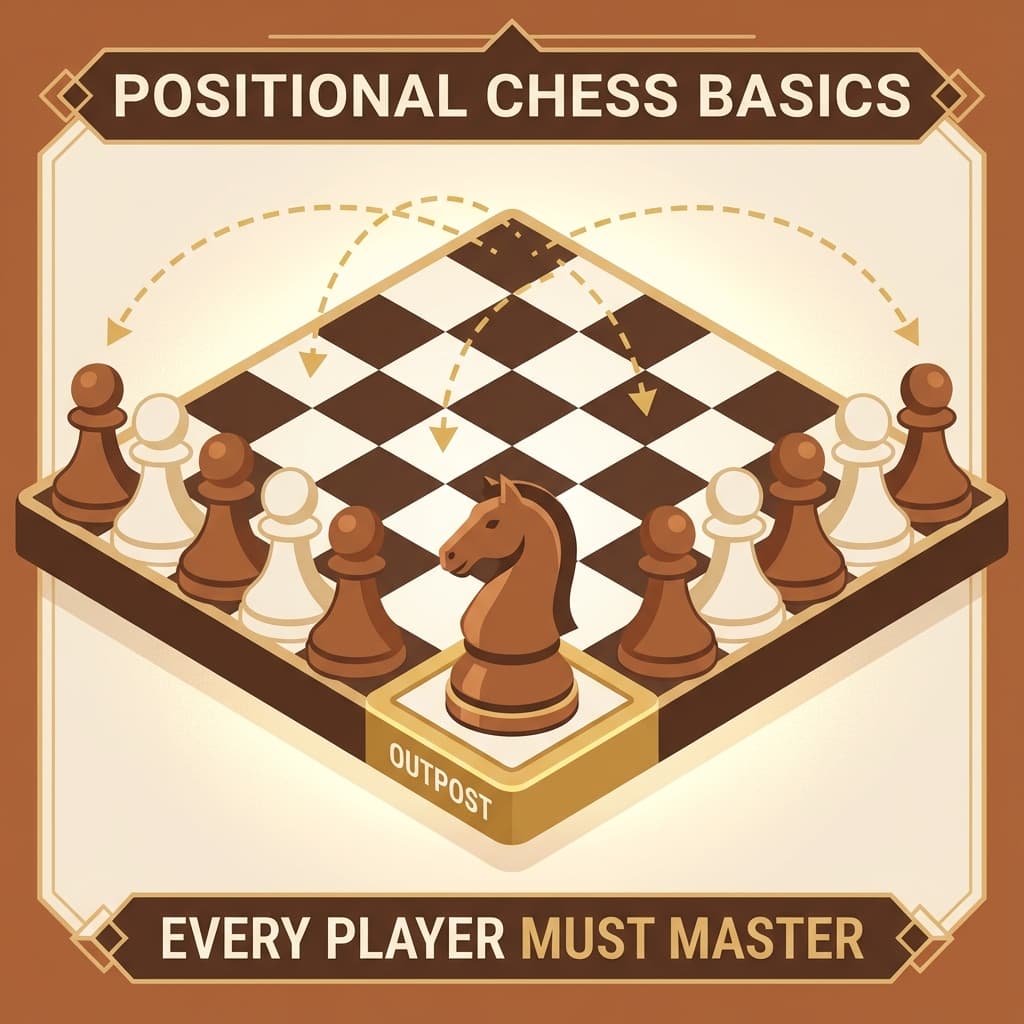
Tactics win games, but strategy saves them. You can be a tactical genius, but if your pieces are on the wrong squares, you will never get the chance to use your skills.
You outplay your opponent for 25 moves. Your position is clearly better, maybe even winning. Then the pieces come off, an endgame arrives, and... you have no idea what to do.
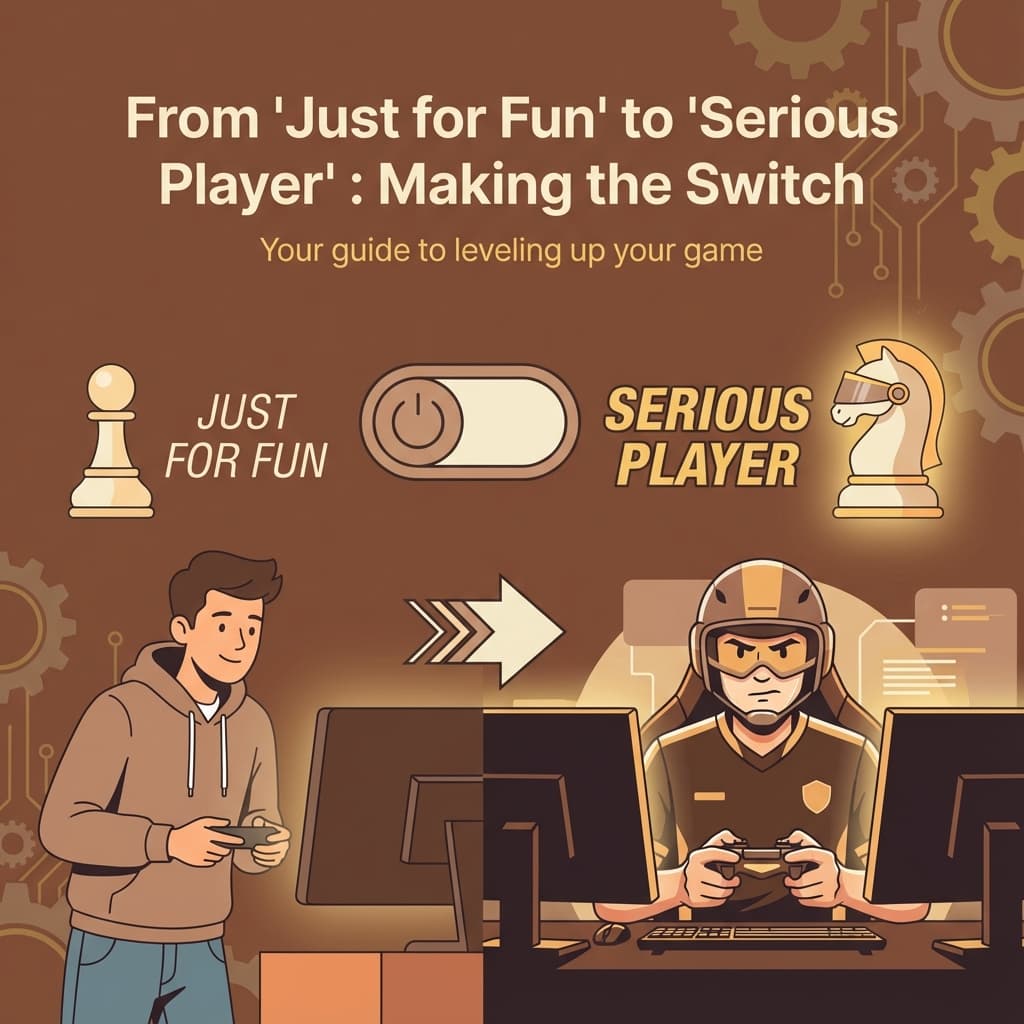
From "Just for Fun" to "Serious Player": Making the Switch You've played chess for years. You know how the pieces move, you play a few blitz games on...
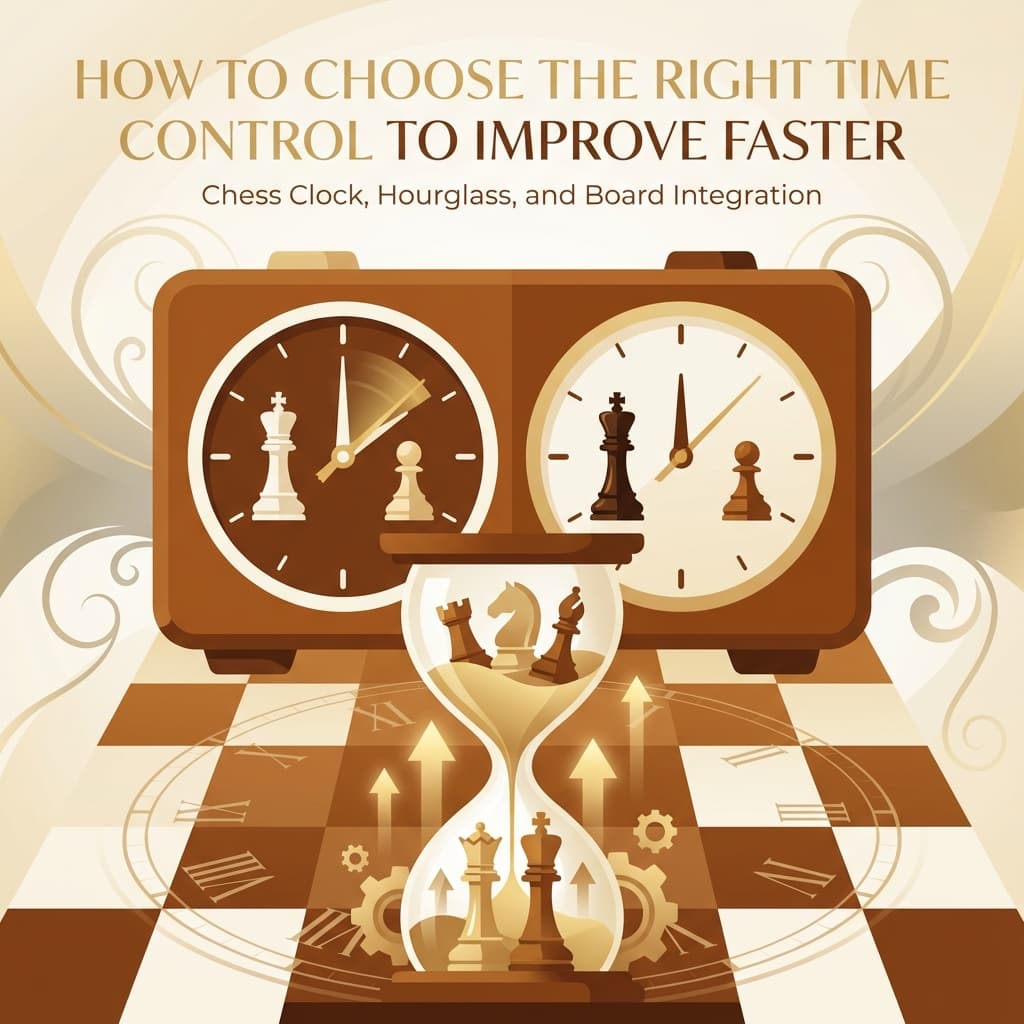
You log into your chess platform. The choices stare back at you: Bullet (1 min), Blitz (3-5 min), Rapid (10-30 min), Classical (60+ min). Which do you play?
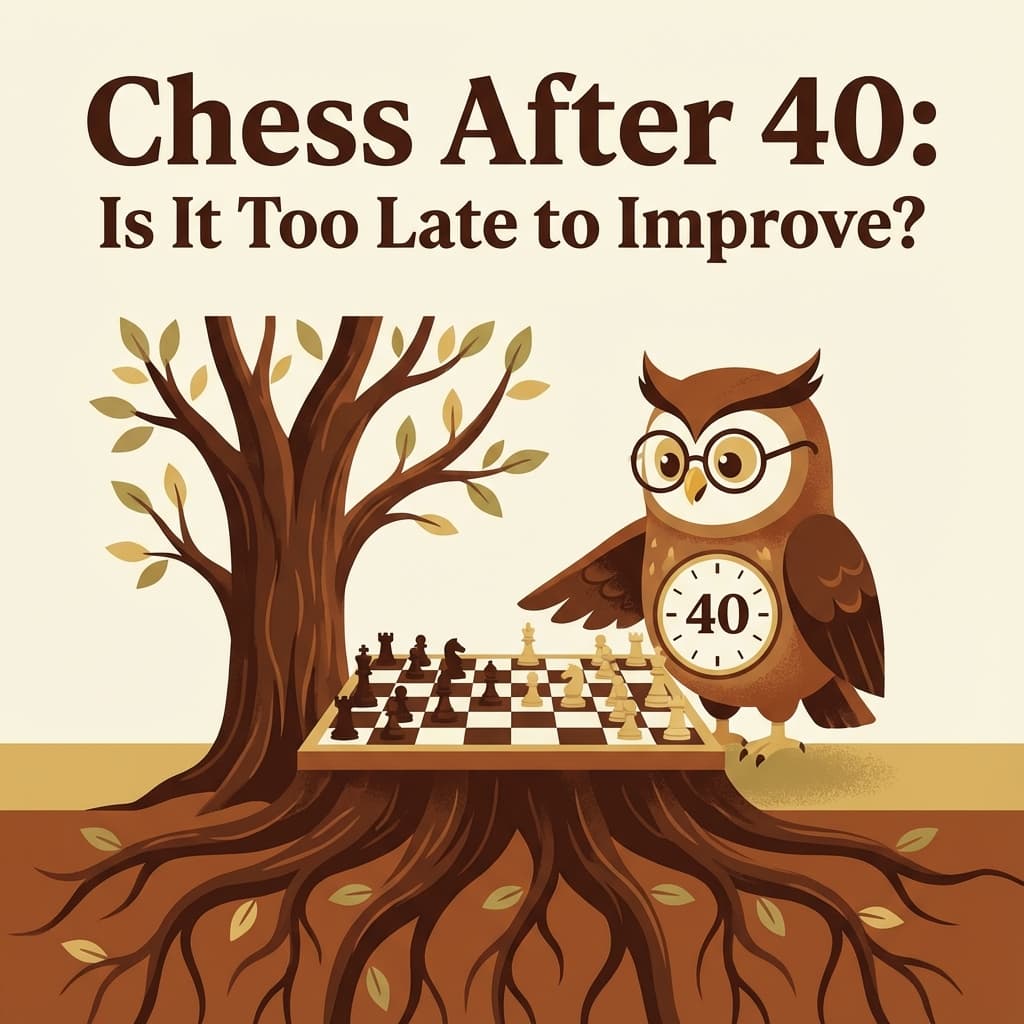
Chess After 40: Is It Too Late to Improve? There is a pervasive myth in the chess world: if you didn't start at age 6, you will never be good. Adults...
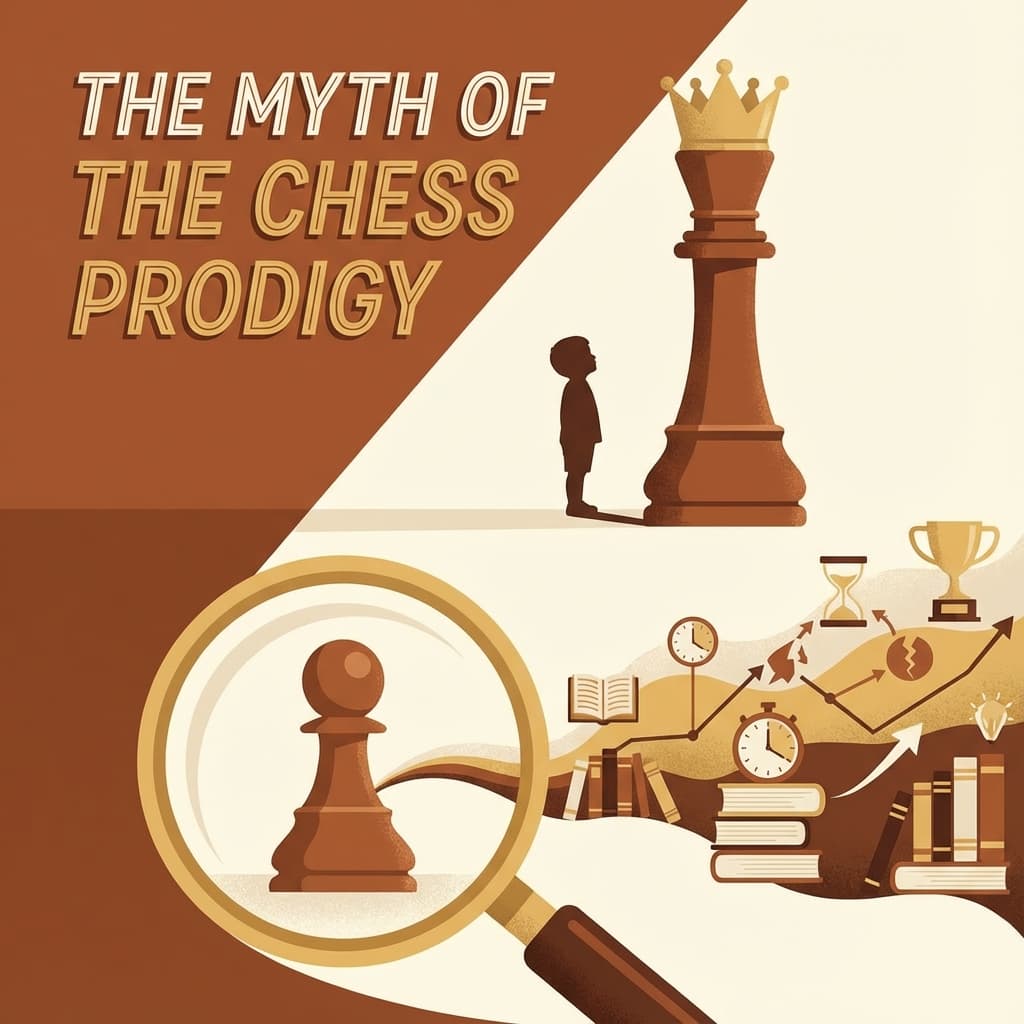
Is My Child a Prodigy? (And Does It Matter?) Your 6-year-old just beat their uncle. They solve puzzles faster than you can set them up. They are obse...
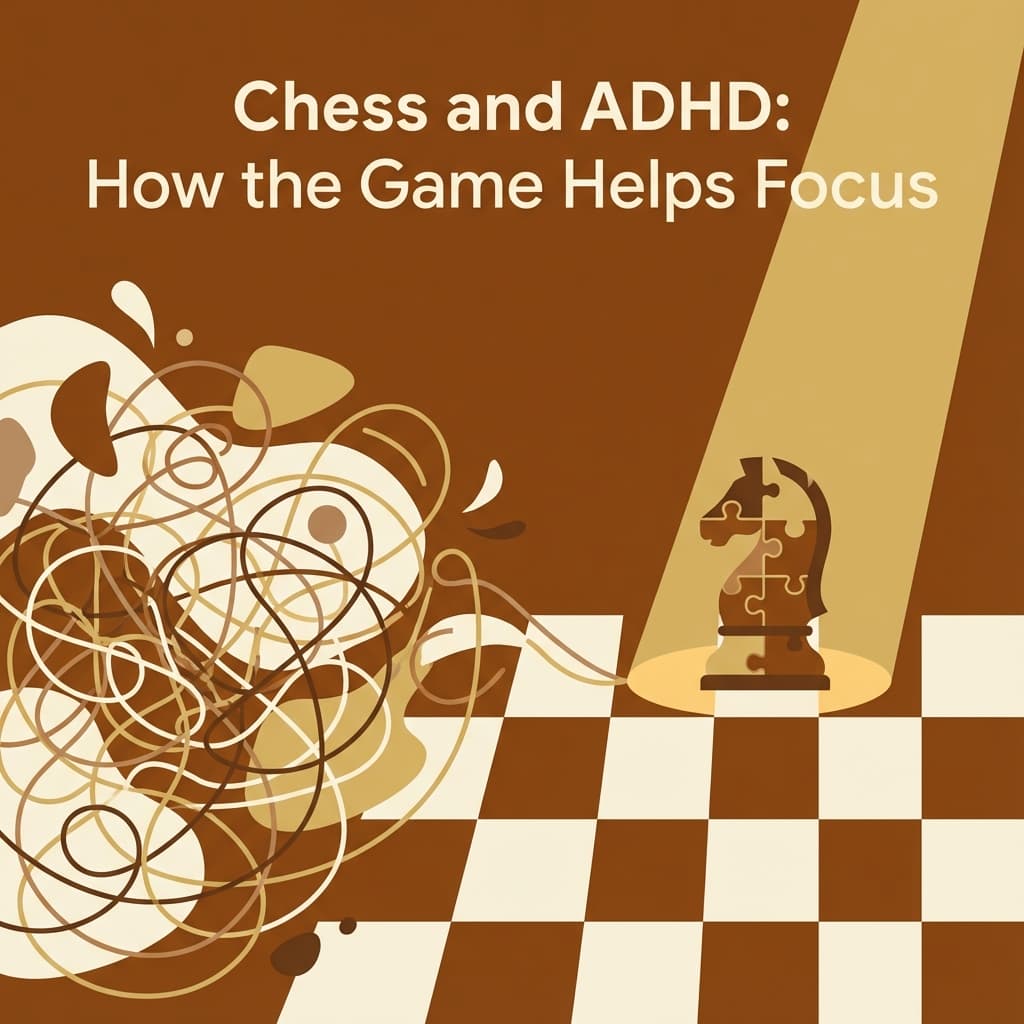
Chess and ADHD: How the Game Helps Focus For a child (or adult) with ADHD, sitting still for 10 minutes can feel impossible. Yet, put a chessboard in...
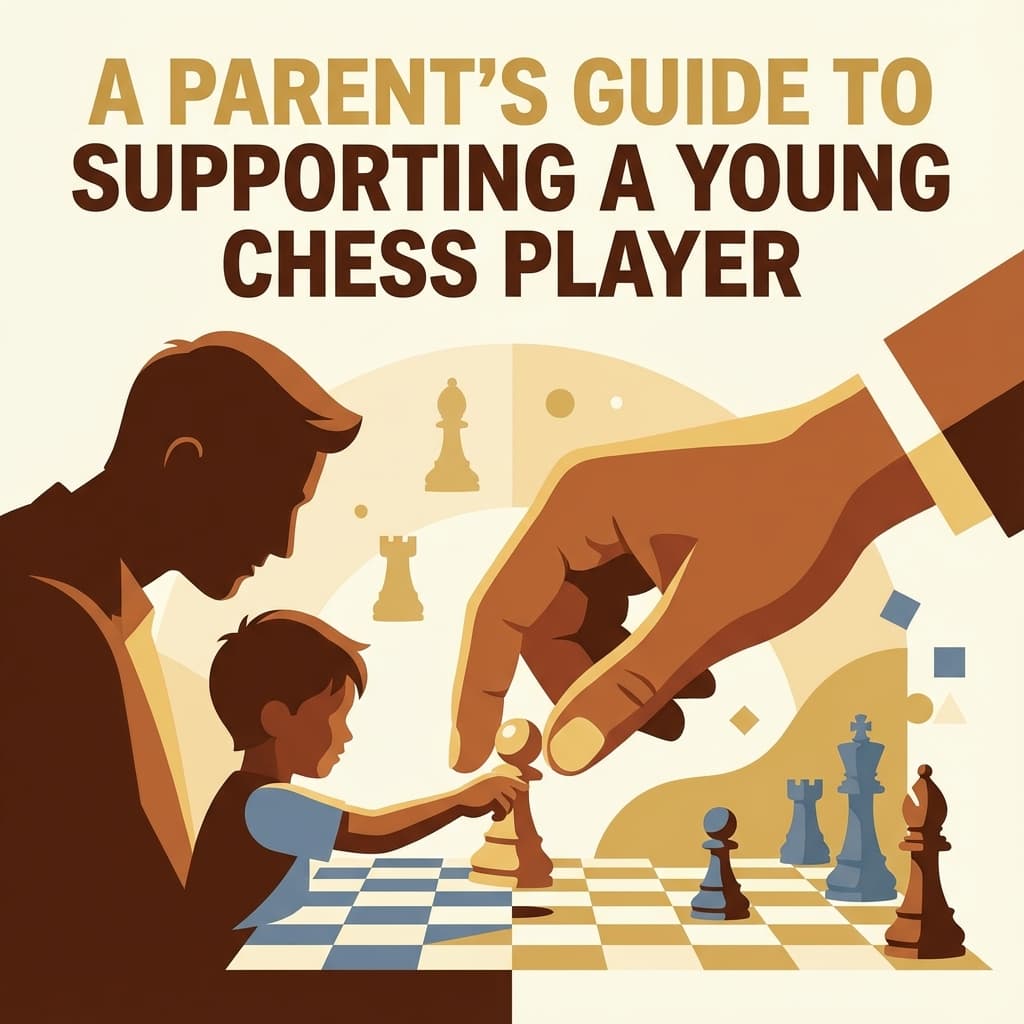
Your child shows interest in chess. Maybe they joined the school club, maybe they watched The Queen's Gambit, or maybe they just enjoy the game. As a parent, you want to support them, but you're not sure how.
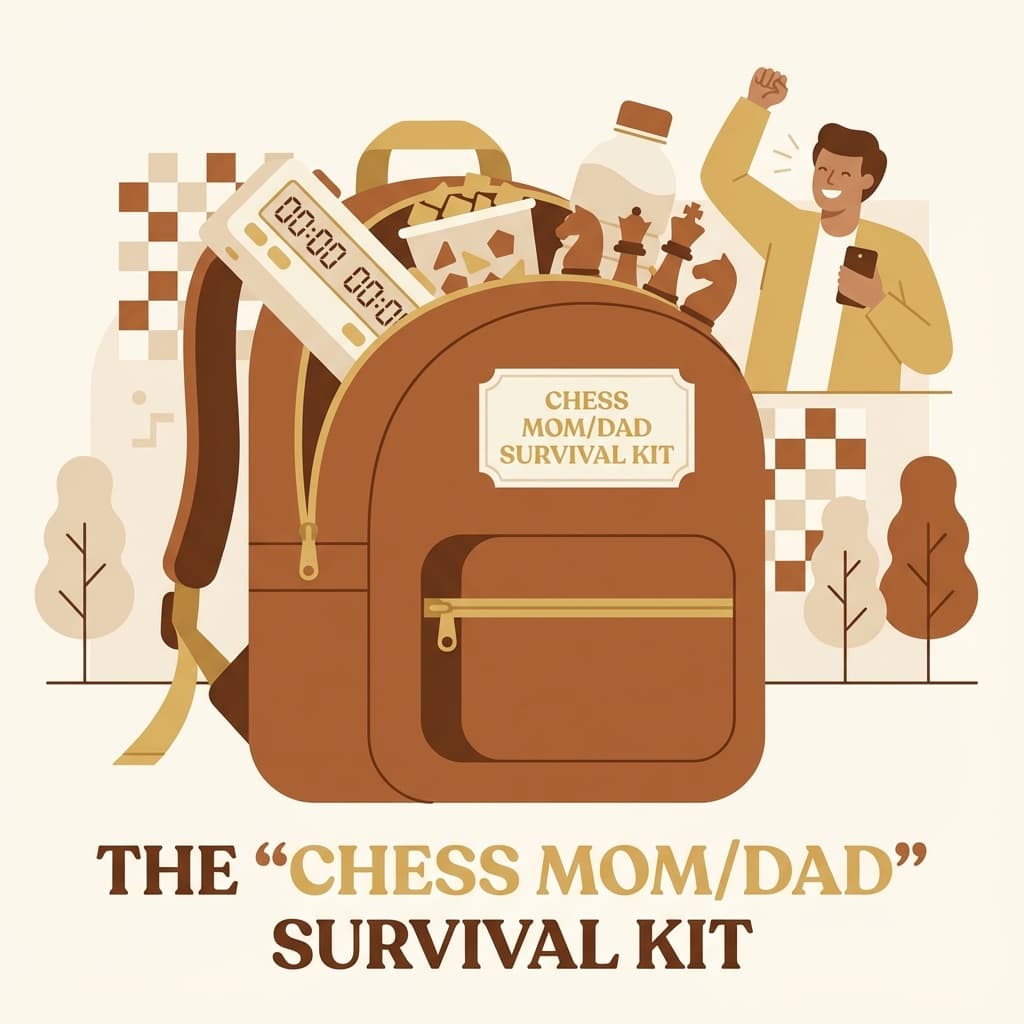
The "Chess Mom/Dad" Survival Kit You signed your kid up for a chess tournament. You thought it would be like soccer: an hour of cheering, then home f...
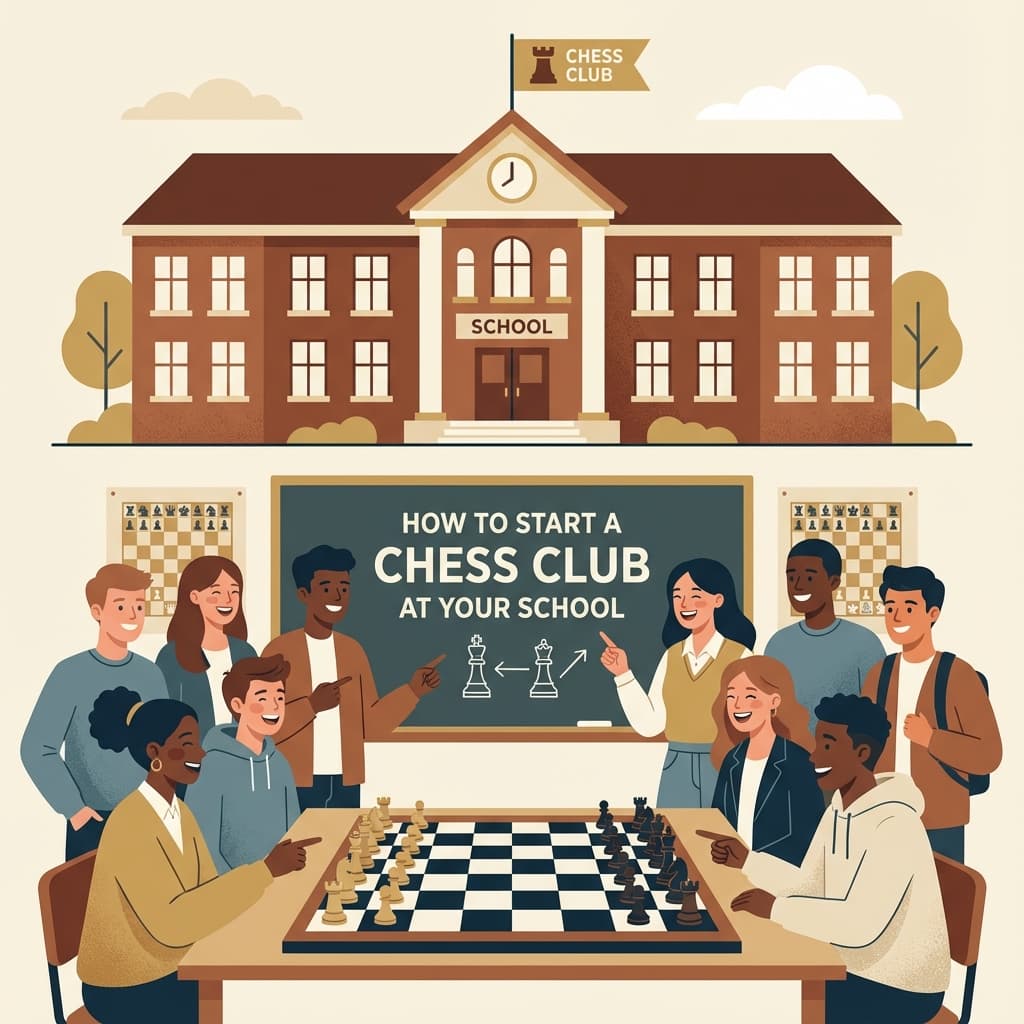
How to Start a Chess Club at Your School You want to start a chess club. Maybe your child loves the game, or maybe you're a teacher who sees the educ...
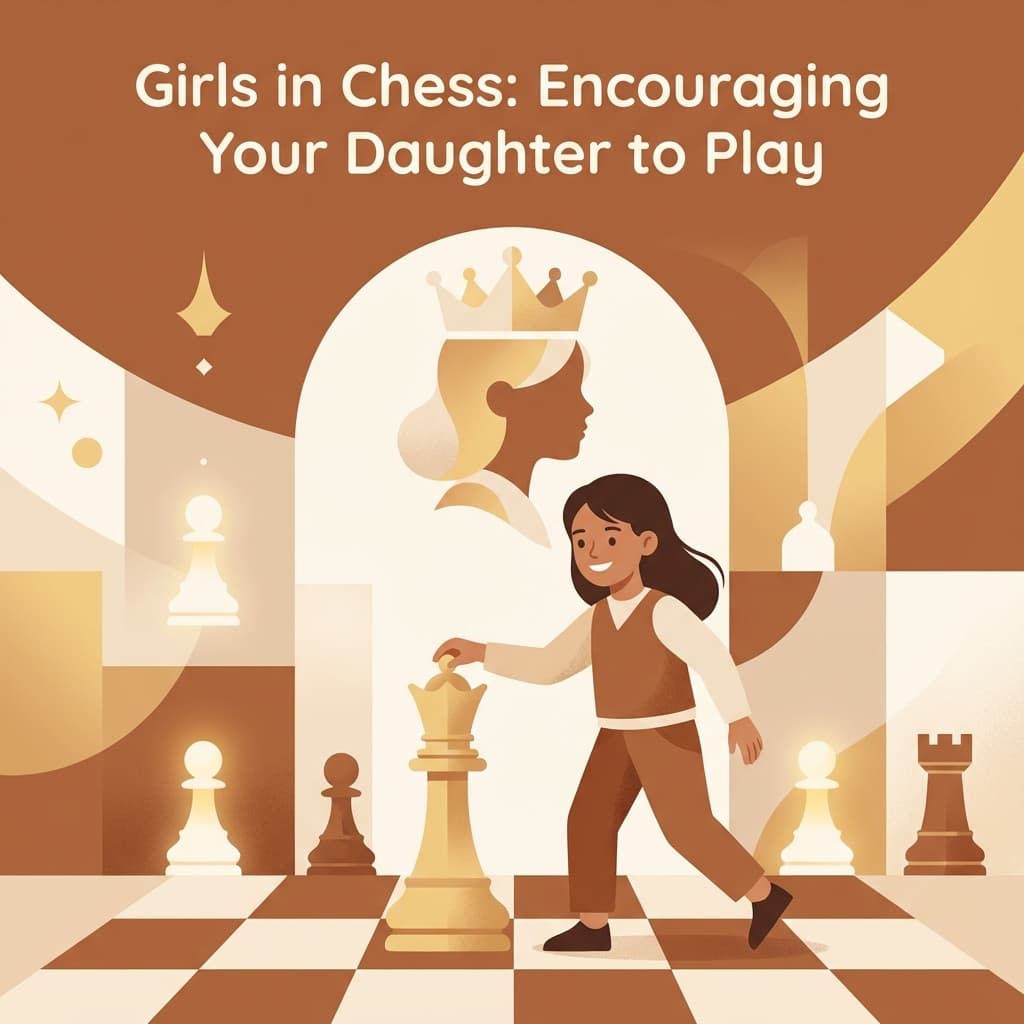
Girls in Chess: Encouraging Your Daughter to Play Walk into any scholastic chess tournament, and the gender imbalance is stark. Often, there is one g...
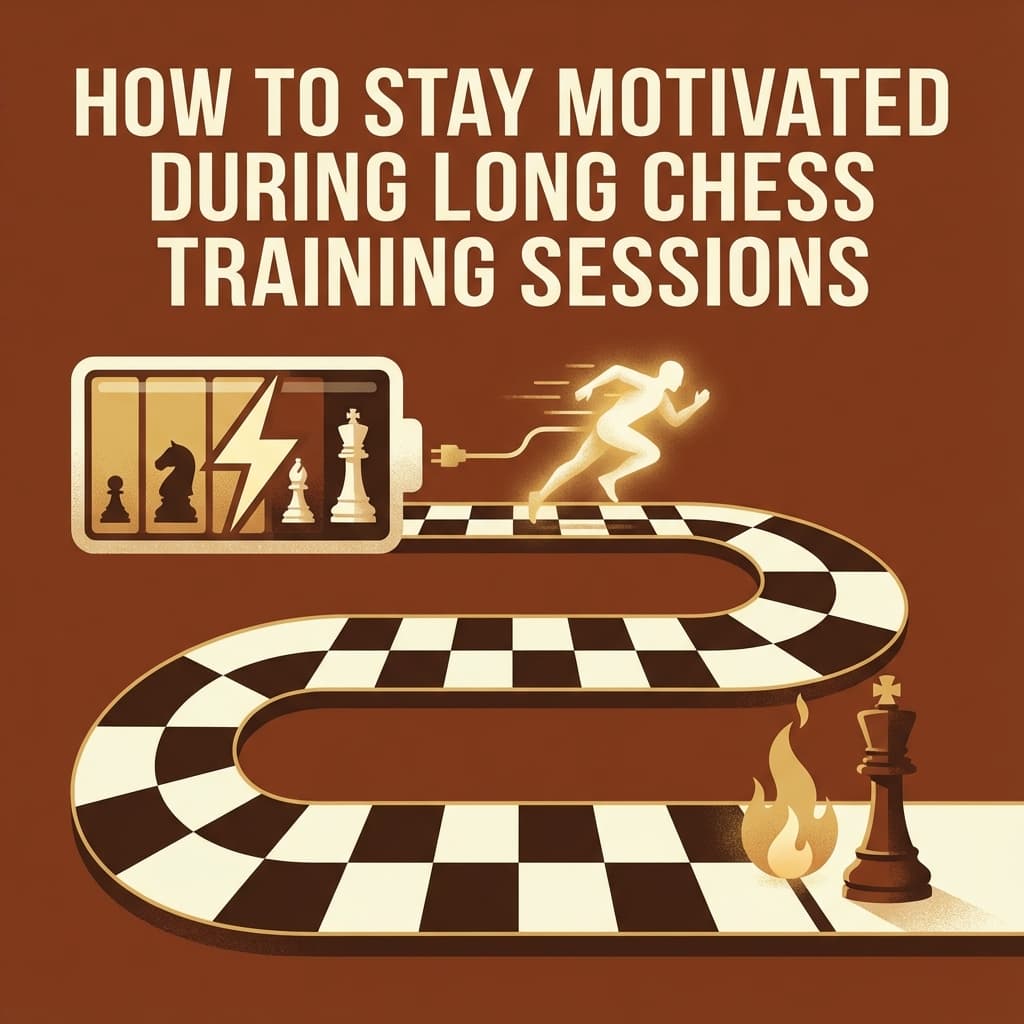
You sit down excited to study chess. Two hours per evening, six days per week, that's the plan. Monday goes great. Tuesday is solid. Wednesday you're tired but push through. By Thursday, opening a tactics trainer feels like lifting weights.
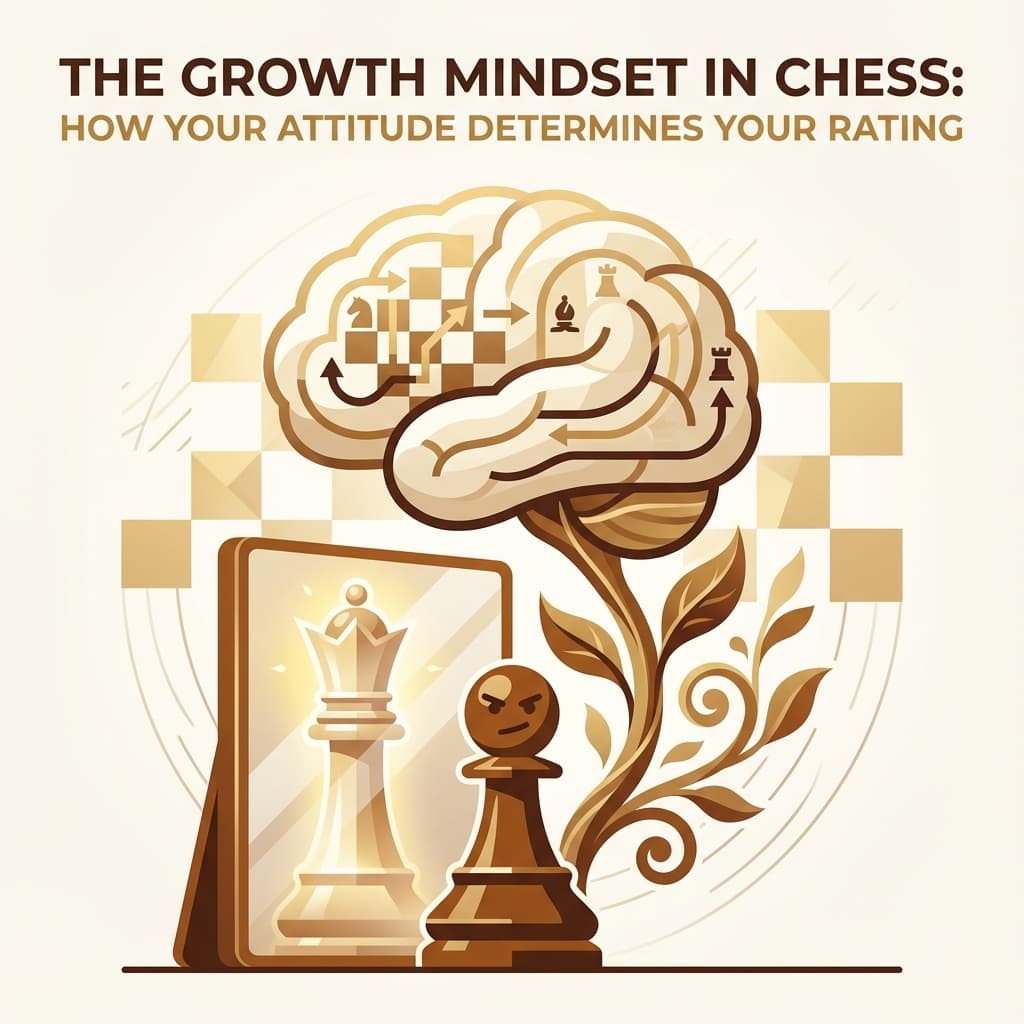
Two players start at 1200. Same age, similar intelligence, even the same coach. One year later: Player A reaches 1500. Player B remains at 1200.
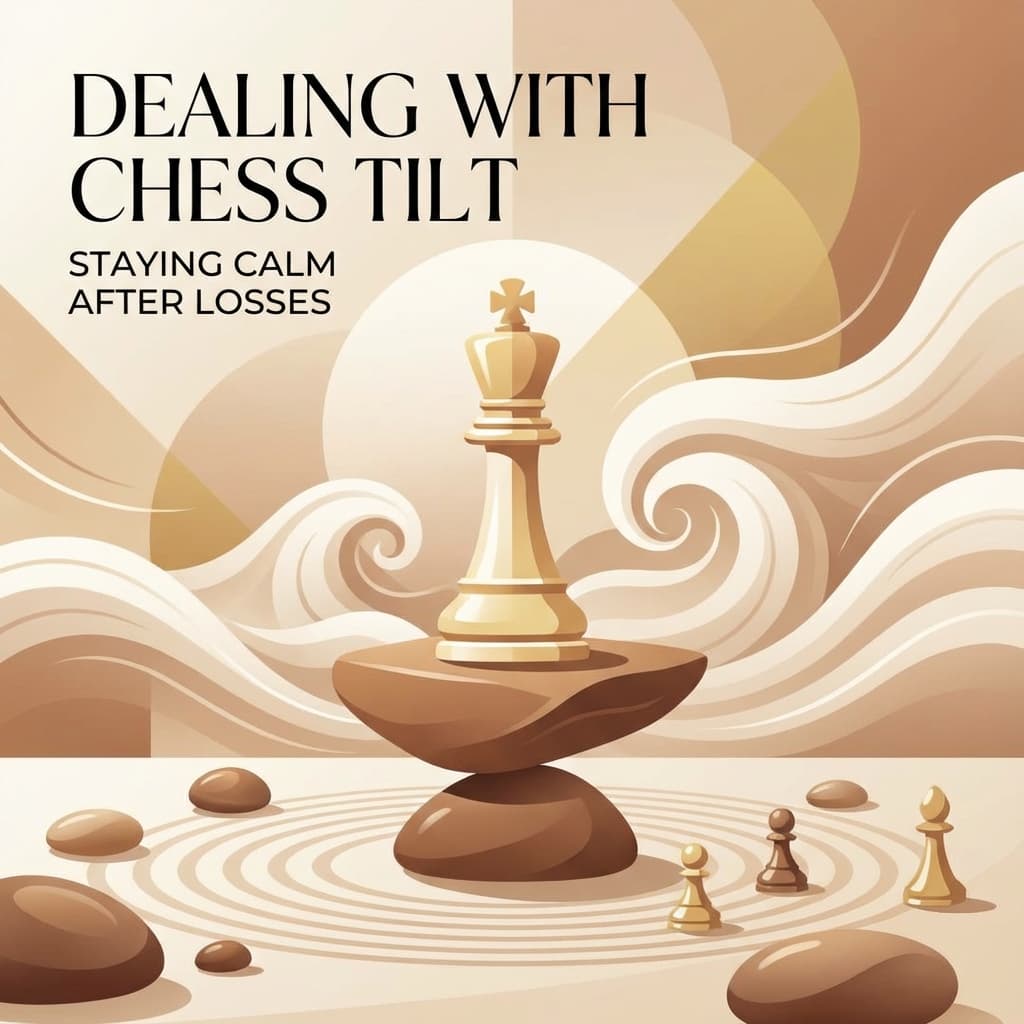
You blunder your queen on move 15. Rage floods through you. Without thinking, you slam the "Play Again" button. Next game: you play too aggressively, trying to "win it back." You lose again. And again. And again.
Chess as a Relationship Builder (or Breaker) Teaching your partner to play chess sounds romantic. You imagine cozy evenings by the fire, sipping wine...
The Best Chess Apps for Training on the Go You have 15 minutes on the bus. Or 10 minutes waiting for a dentist appointment. You could scroll Instagra...
Setting Up a Digital Chess Board: Is It Worth It? You love playing online, but you miss the feel of real pieces. Or maybe you want to play against an...
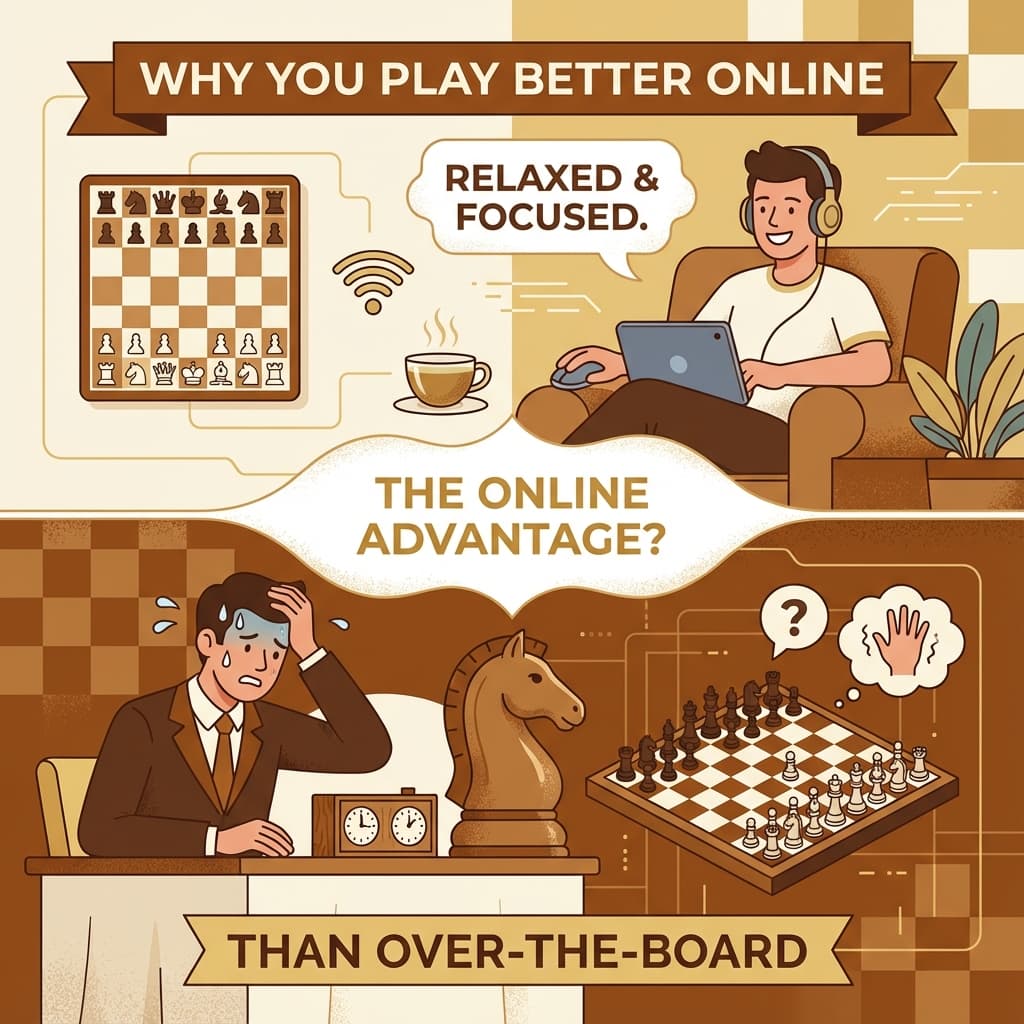
Why You Play Better Online Than Over-the-Board You're rated 1800 on Lichess. You feel confident. You go to your local club, sit down against a 1400 p...
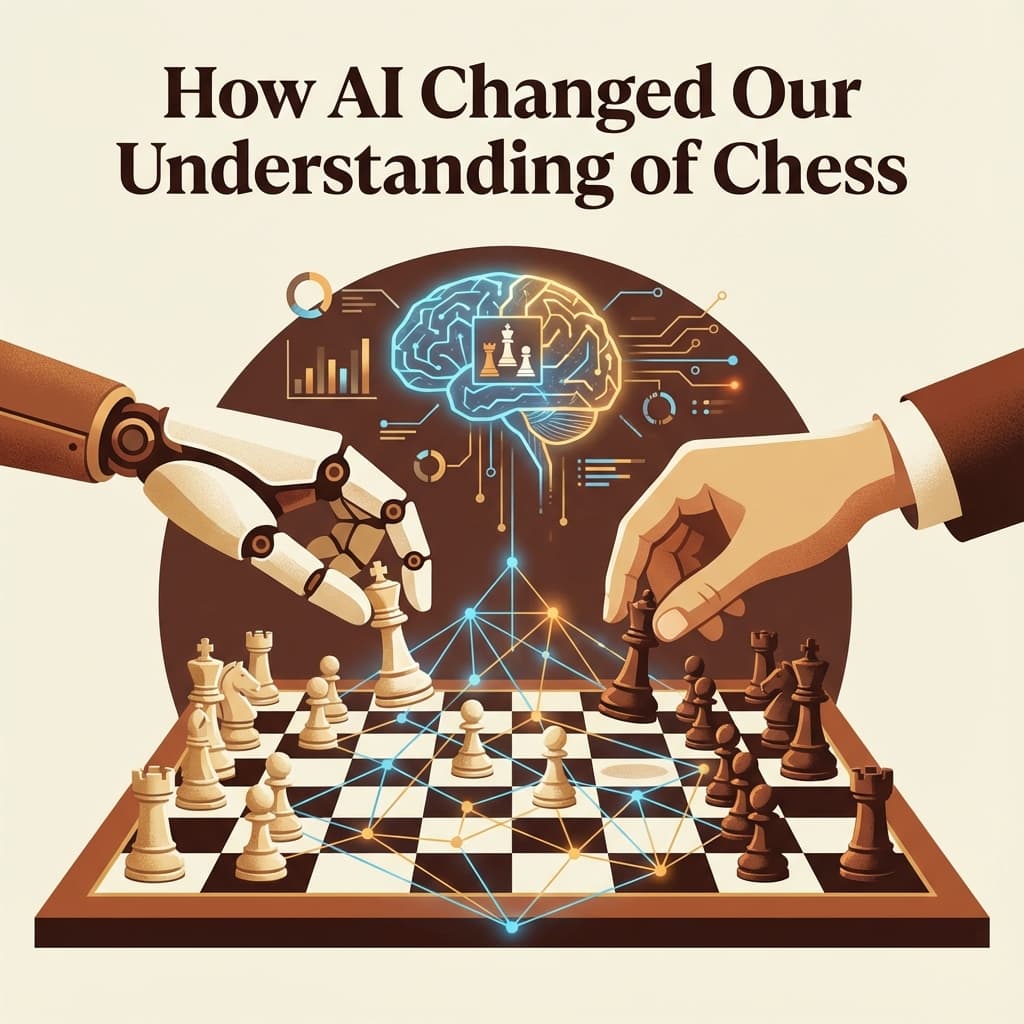
For centuries, humans believed they understood chess. We had principles: control the center, develop pieces, keep the king safe. Then came the machines.
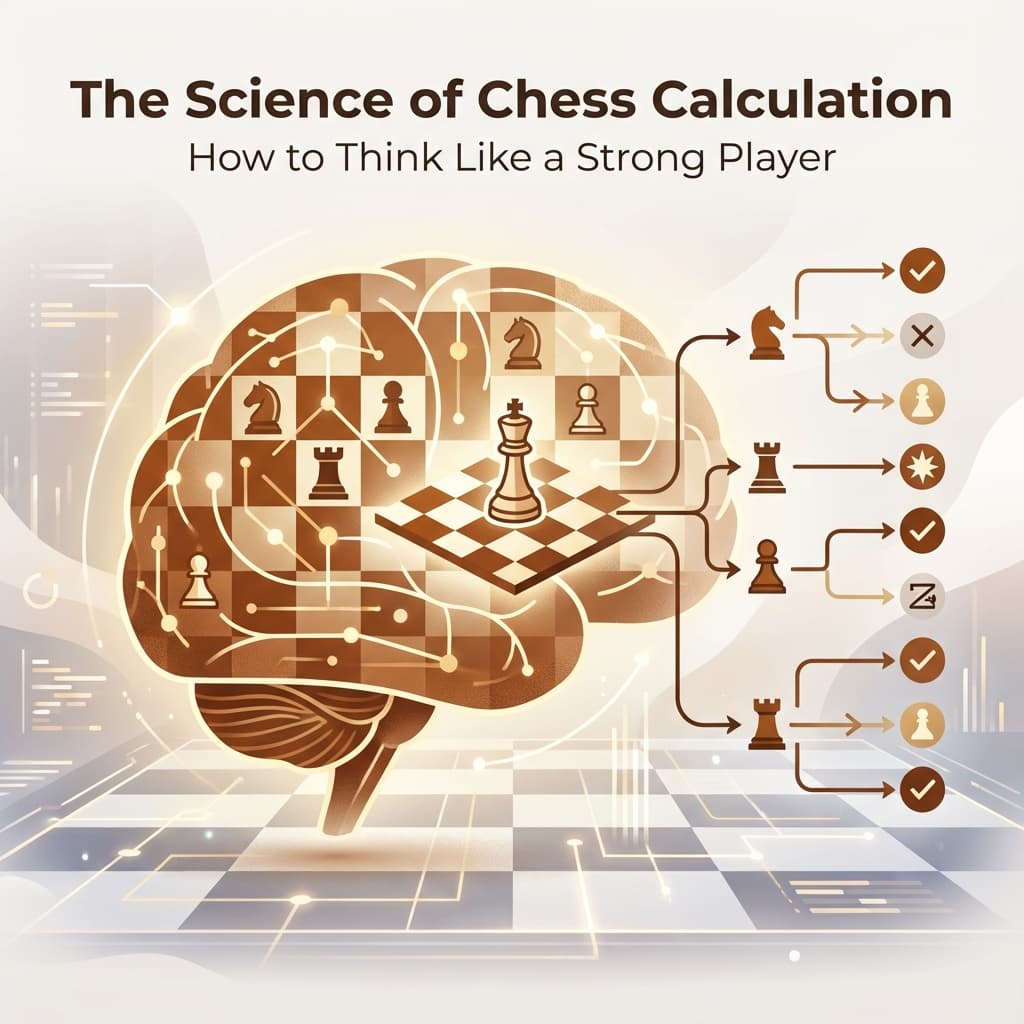
Watch a strong player think, and you'll notice something remarkable: they don't calculate faster than you—they calculate smarter. While beginners analyze random moves hoping to spot something, masters follow systematic calculation patterns that make finding the best moves feel almost effortless.
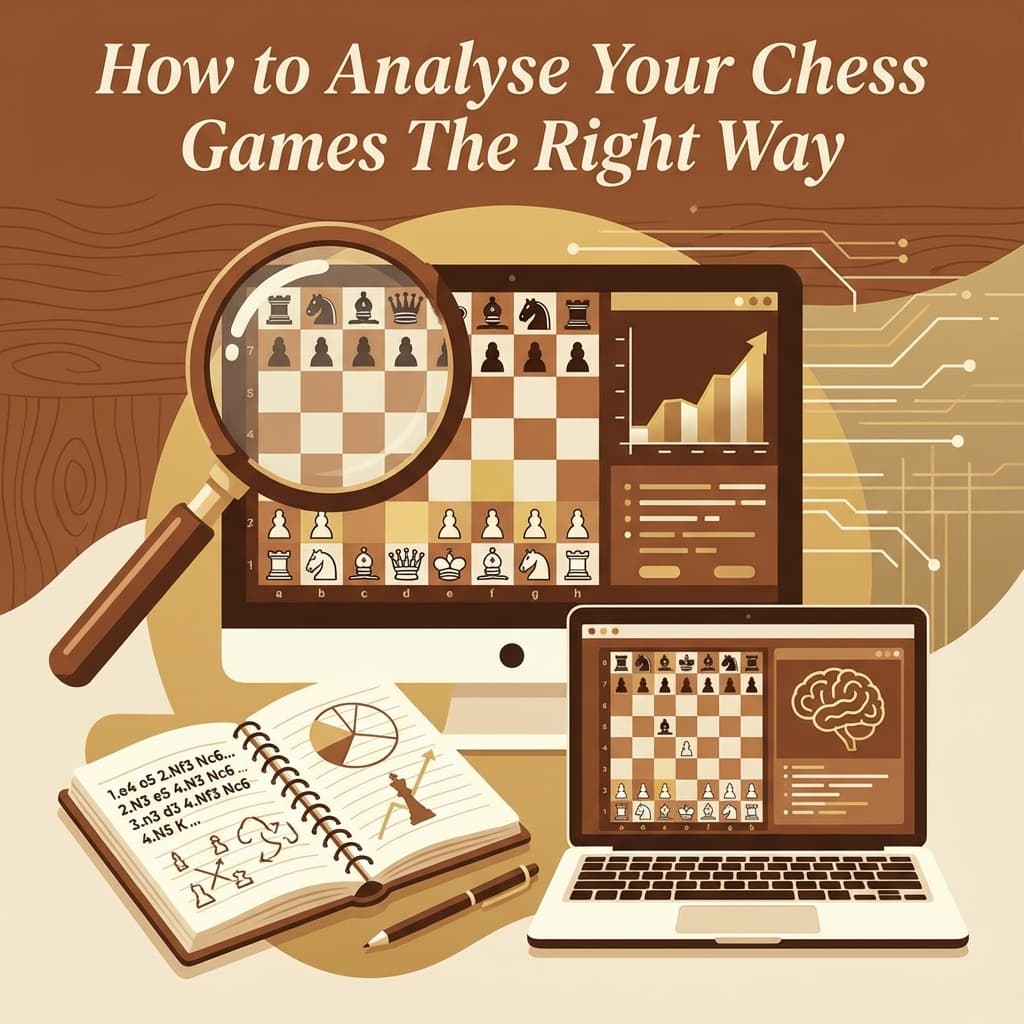
Playing chess without analyzing your games is like going to school and skipping all the tests. You show up, go through the motions, but never actually verify what you've learned. No wonder your rating isn't improving.
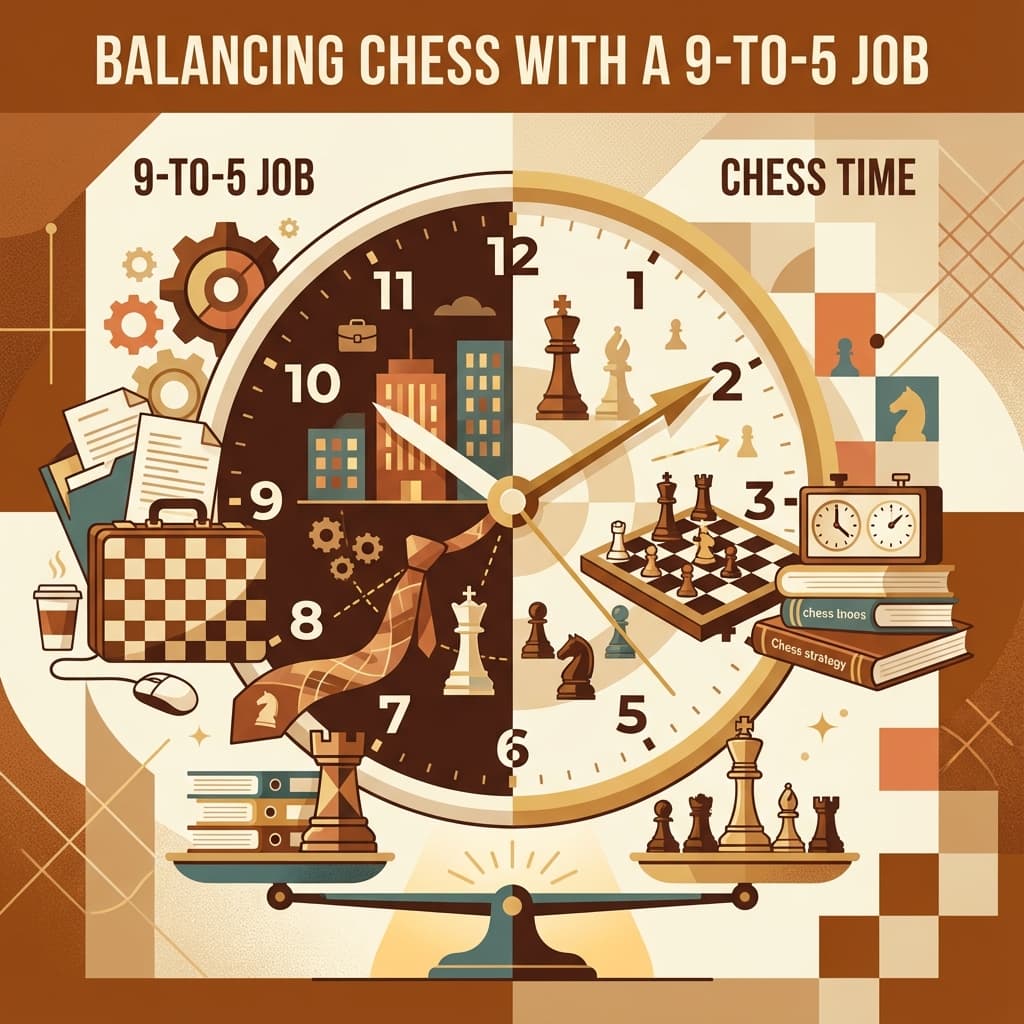
You love chess, but you also love paying rent. The reality for most adult improvers is that chess has to fit into the margins of a busy life. You can't study 6 hours a day like a professional.
Random study sessions produce random results. You solve tactics one day, watch a YouTube video the next, play some blitz, maybe read a chess book for 20 minutes. A month later, your rating hasn't budged.
Ready to Improve Your Chess Game?
Connect with expert coaches who can provide personalized training and help you reach your chess goals.